

Introduction
Choosing the right sports shoes is one of the most important decisions for anyone starting a fitness journey or maintaining an active lifestyle. Whether you are walking, jogging, training at the gym, or playing casual sports, your shoes directly affect your comfort, performance, and safety. Beginners often underestimate the impact of proper footwear, which can lead to discomfort or even injury over time.
Top sports shoes for beginners and active users are designed to provide the right balance of support, cushioning, and durability. These shoes are not just about style; they are engineered to enhance movement and reduce strain on your feet and joints. With so many options available in the market, it can be confusing to select the perfect pair that meets your needs.
Moreover, active users require shoes that can handle regular wear and tear without compromising on comfort. Investing in the right pair ensures better performance and long-term foot health. In this article, you will learn everything about top sports shoes for beginners and active users, including how to choose them, their benefits, and common mistakes to avoid.
What is Top Sports Shoes for Beginners and Active Users?
Top sports shoes for beginners and active users refer to specially designed footwear that supports physical activities such as running, walking, training, and sports. These shoes are built with advanced materials and technology to ensure comfort, stability, and performance.
Unlike regular shoes, sports shoes focus on functionality. They provide features like cushioning to absorb shock, breathable materials to keep feet cool, and proper grip to prevent slipping. For beginners, these features are essential because their bodies are still adjusting to physical activity.
Active users, on the other hand, need shoes that can withstand frequent use. These shoes often include reinforced soles, durable uppers, and enhanced support systems. The goal is to provide consistent performance while minimizing the risk of injuries.
In simple terms, top sports shoes for beginners and active users are a combination of comfort, durability, and performance, tailored to suit different levels of physical activity.
Why is Top Sports Shoes for Beginners and Active Users Important?
Wearing the right sports shoes is not just about comfort; it directly impacts your overall fitness experience. For beginners, proper shoes can make the difference between staying motivated and giving up due to discomfort.
Firstly, these shoes help prevent injuries. Activities like running or jumping put stress on your feet and joints. Without proper cushioning and support, this stress can lead to issues like plantar fasciitis or knee pain.
Secondly, top sports shoes for beginners and active users improve performance. When your feet are comfortable and well-supported, you can move more efficiently. This leads to better workouts and improved results over time.
Additionally, these shoes enhance stability and balance. This is especially important for beginners who are still developing coordination. Good shoes reduce the risk of slips and falls.
Lastly, they provide long-term benefits. Investing in quality sports shoes helps maintain foot health and reduces the chances of chronic problems in the future.
Detailed Step-by-Step Guide
Step 1: Identify Your Activity Type
Before buying sports shoes, determine how you plan to use them.
- Running shoes for jogging or marathon training
- Training shoes for gym workouts
- Walking shoes for daily activity
- Multi-purpose shoes for mixed use
Each type offers specific features tailored to the activity.
Step 2: Understand Your Foot Type
Knowing your foot type is crucial.
- Flat feet require extra arch support
- High arches need more cushioning
- Neutral feet can use standard shoes
You can check your foot type using a simple wet foot test at home.
Step 3: Choose the Right Size
Always prioritize proper fit.
- Leave a small gap at the front
- Ensure snug fit around the heel
- Avoid overly tight or loose shoes
Try shoes in the evening when your feet are slightly swollen for better accuracy.
Step 4: Check Cushioning and Support
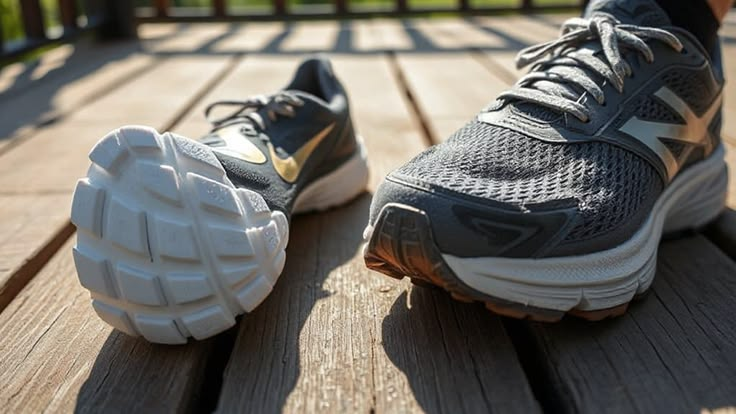
Top sports shoes for beginners and active users must provide proper cushioning.
- Look for shock-absorbing soles
- Ensure adequate arch support
- Test flexibility without losing stability
Step 5: Focus on Material and Breathability
Breathable shoes keep your feet dry and comfortable.
- Mesh uppers improve airflow
- Lightweight materials reduce fatigue
- Moisture-wicking lining prevents odor
Step 6: Evaluate Grip and Sole Quality
Good grip ensures safety during movement.
- Rubber soles provide traction
- Patterned outsoles improve stability
- Durable soles last longer
Step 7: Set a Budget
You do not need the most expensive shoes, but avoid very cheap options.
- Mid-range shoes often offer the best value
- Invest in quality for long-term use
Step 8: Test Before Buying
Walk or jog in the shoes before purchasing.
- Check comfort level
- Ensure no pressure points
- Confirm proper support
Benefits of Top Sports Shoes for Beginners and Active Users
- Improved comfort during physical activities
- Reduced risk of injuries and foot pain
- Better performance and endurance
- Enhanced stability and balance
- Long-lasting durability
- Proper posture and alignment
- Increased confidence during workouts
Disadvantages / Risks
- High-quality shoes can be expensive
- Wrong selection can cause discomfort
- Overuse may wear out cushioning
- Fake or low-quality products in the market
- Not all shoes suit every activity
Common Mistakes to Avoid
Many people make simple mistakes when choosing sports shoes.
One common mistake is selecting shoes based on appearance rather than functionality. While style matters, comfort and support should always come first.
Another mistake is buying the wrong size. Shoes that are too tight or too loose can cause blisters and discomfort.
Ignoring foot type is also a major issue. Without proper support, you may experience pain during activities.
Some beginners use the same shoes for all activities. This can reduce performance and increase wear and tear.
Lastly, people often delay replacing worn-out shoes. Old shoes lose cushioning and support, which can lead to injuries.
FAQs
1. How often should I replace my sports shoes?
You should replace your sports shoes every 500 to 800 kilometers of use or when you notice reduced cushioning and support. Regular users may need to replace them every 6 to 12 months.
2. Can I use running shoes for gym workouts?
Running shoes are designed for forward motion, while gym shoes provide lateral support. It is better to use specific training shoes for gym workouts.
3. What is the best material for sports shoes?
Breathable mesh combined with durable synthetic materials is considered ideal. It ensures comfort, airflow, and long-lasting performance.
4. Are expensive sports shoes always better?
Not necessarily. While expensive shoes often have advanced features, many mid-range options provide excellent quality and performance for beginners and active users.
5. How do I know if a shoe fits properly?
A proper fit means there is enough room for your toes, a snug heel, and no pressure points. You should feel comfortable while walking or running.
6. Can wrong shoes cause injuries?
Yes, wearing improper shoes can lead to foot pain, blisters, and even joint problems. Proper footwear is essential for safe physical activity.
Expert Tips & Bonus Points
Choose shoes based on your primary activity instead of general use. This ensures better performance and comfort.
Always try shoes with the socks you plan to wear during activities. This gives a more accurate fit.
Rotate between two pairs if you are highly active. This extends the life of your shoes.
Keep your shoes clean and dry to maintain their quality. Avoid exposing them to extreme conditions.
Pay attention to signs of wear and tear. Replace your shoes before they lose their effectiveness.
If possible, consult a professional or use gait analysis tools to find the perfect pair for your needs.
Conclusion
Top sports shoes for beginners and active users play a crucial role in ensuring a safe and effective fitness journey. The right pair of shoes not only enhances comfort but also improves performance and reduces the risk of injuries. For beginners, proper footwear can build confidence and encourage consistency in physical activities. Active users, on the other hand, benefit from durability and long-term support.
Understanding your needs, foot type, and activity level is essential when choosing sports shoes. By following the step-by-step guide, you can make an informed decision and avoid common mistakes. Investing in quality shoes may seem costly initially, but it pays off in terms of comfort, performance, and health.
Moreover, maintaining your shoes and replacing them when necessary ensures continuous support and safety. Whether you are just starting out or already leading an active lifestyle, selecting the right sports shoes is a decision that should never be overlooked.
In the end, the perfect pair of sports shoes is one that fits well, supports your movements, and keeps you comfortable throughout your activities. With the right choice, you can enjoy your fitness journey with confidence and ease.
