


Introduction
Choosing the right footwear can make or break your gym experience. Many beginners overlook this detail, assuming any pair of sneakers will do the job. However, selecting the right sports shoes is essential not only for comfort but also for performance and injury prevention. If you’ve ever experienced foot pain, instability, or lack of grip during workouts, chances are your shoes weren’t suitable.
When it comes to how to pick sports shoes for gym workouts, there are several factors to consider. From understanding your workout type to analyzing shoe features like cushioning, support, and grip, each detail plays a crucial role. A well-chosen pair of gym shoes can improve your balance, enhance performance, and keep you motivated throughout your fitness journey.
Moreover, gym workouts vary widely. Strength training, cardio, HIIT, and cross-training all require different types of support. That’s why a one-size-fits-all approach rarely works. Instead, you need to match your footwear to your activity level and fitness goals.
In this guide, you will learn everything you need to know about how to pick sports shoes for gym workouts. Whether you’re a beginner stepping into the gym for the first time or someone looking to upgrade your gear, this article will help you make a smart and informed decision.
What is How to Pick Sports Shoes for Gym Workouts?
How to pick sports shoes for gym workouts refers to the process of selecting the most suitable footwear based on your fitness activities, foot type, and comfort preferences. It is not just about style or brand; it’s about functionality and support.
Gym shoes are specifically designed to handle different types of movements. Unlike casual sneakers, they provide stability for lifting weights, flexibility for cardio, and cushioning for impact absorption. Choosing the right pair means understanding what your workouts demand and finding shoes that meet those needs.
For example, running shoes are built for forward motion, while training shoes offer multi-directional support. If you use the wrong type, you might experience discomfort or even injuries over time.
Therefore, learning how to pick sports shoes for gym workouts ensures that your footwear aligns with your training routine, helping you perform better and stay safe.
Why is How to Pick Sports Shoes for Gym Workouts Important?
Understanding how to pick sports shoes for gym workouts is important for several reasons. First and foremost, it directly impacts your safety. Wearing inappropriate shoes can lead to slips, ankle injuries, or long-term joint problems.
Secondly, proper shoes enhance performance. When your feet are well-supported, you can lift heavier weights, run longer distances, and move more efficiently. This ultimately helps you achieve your fitness goals faster.
Another key factor is comfort. Ill-fitting shoes can cause blisters, pain, and fatigue, making your workouts less enjoyable. On the other hand, the right pair keeps you comfortable and focused.
Additionally, good gym shoes improve posture and alignment. This reduces strain on your knees, hips, and back, which is especially important for beginners who are still learning proper form.
In short, knowing how to pick sports shoes for gym workouts is essential for a safe, effective, and enjoyable fitness journey.
Detailed Step-by-Step Guide
Step 1: Identify Your Workout Type
Different workouts require different types of shoes. Start by analyzing your routine.
- For weightlifting, choose flat and stable shoes
- For cardio, go for cushioned running shoes
- For HIIT, select cross-training shoes with flexibility
- For general workouts, versatile training shoes work best
Understanding your primary activity is the foundation of how to pick sports shoes for gym workouts.
Step 2: Know Your Foot Type
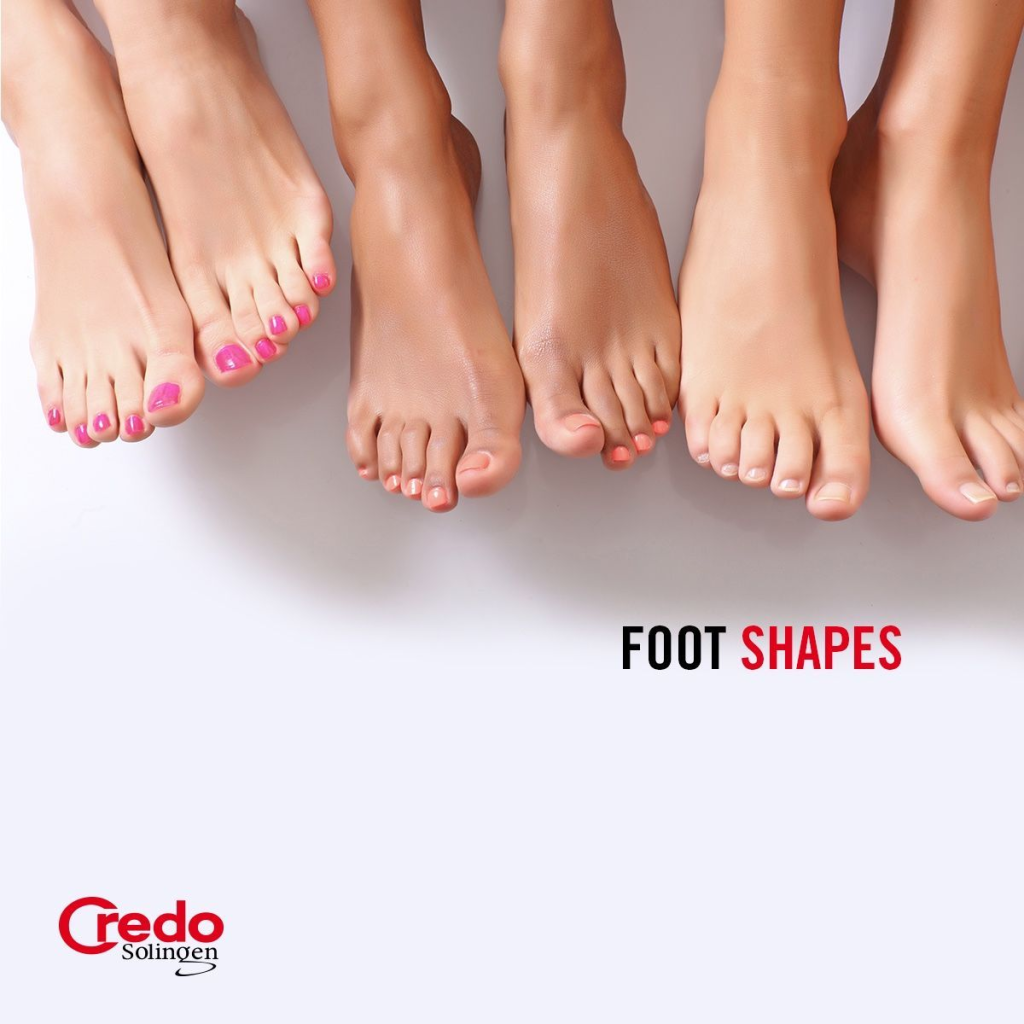
Everyone’s feet are different. Some people have flat feet, while others have high arches.
- Flat feet need more arch support
- High arches require extra cushioning
- Neutral feet can use most standard shoes
You can determine your foot type through a simple wet test or by consulting a specialist.
Step 3: Focus on Comfort and Fit
Never compromise on comfort. Your shoes should fit snugly but not be too tight.
- Leave some space in the toe box
- Ensure no heel slipping
- Walk or jog in the store before buying
A good fit is one of the most important aspects of how to pick sports shoes for gym workouts.
Step 4: Check Cushioning and Support
Cushioning absorbs impact, while support keeps your feet stable.
- Running and cardio need more cushioning
- Strength training needs firm support
- Cross-training requires a balance of both
Choose based on your workout intensity and duration.
Step 5: Evaluate Grip and Traction
Gym floors can be slippery. Proper grip ensures safety.
- Look for rubber soles
- Check for anti-slip patterns
- Test traction before buying
Good grip prevents accidents and improves performance.
Step 6: Consider Durability
Gym shoes go through a lot of wear and tear. Invest in a durable pair.
- Check material quality
- Look for reinforced stitching
- Choose reputable brands
Durability ensures long-term value and consistent performance.
Step 7: Try Before You Buy
Always try shoes before purchasing.
- Wear gym socks while trying
- Test movement and flexibility
- Walk, jump, and squat to check comfort
This final step ensures you make the right choice.
Benefits of How to Pick Sports Shoes for Gym Workouts
- Improves workout performance
- Reduces risk of injuries
- Enhances comfort during exercise
- Supports proper posture and alignment
- Increases confidence in the gym
- Provides better grip and stability
- Boosts overall workout efficiency
Disadvantages / Risks
- Poor shoe choice can cause injuries
- Expensive options may not always guarantee quality
- Wrong fit leads to discomfort and blisters
- Lack of knowledge can result in incorrect selection
- Overusing one pair for all activities may reduce effectiveness
Common Mistakes to Avoid
One of the biggest mistakes people make when learning how to pick sports shoes for gym workouts is choosing style over functionality. While appearance matters, it should never come at the cost of comfort and support.
Another common error is using running shoes for all types of workouts. Running shoes are not ideal for weightlifting or lateral movements, which can lead to instability.
Ignoring foot type is also a mistake. Without proper arch support, you may experience pain and long-term issues.
Buying shoes without trying them is another risk. Sizes and fits vary between brands, so always test before purchasing.
Lastly, many people keep using worn-out shoes. Over time, cushioning and support degrade, making them less effective and potentially harmful.
FAQs
1. How often should I replace gym shoes?
You should replace gym shoes every 6 to 12 months, depending on usage. If you notice worn-out soles or reduced comfort, it’s time for a new pair.
2. Can I use running shoes for weightlifting?
Running shoes are not ideal for weightlifting. They have too much cushioning, which reduces stability during heavy lifts.
3. What is the best type of shoe for beginners?
Cross-training shoes are best for beginners as they offer a balance of support, cushioning, and flexibility.
4. How do I know if my shoes fit properly?
Your shoes should feel snug without being tight. There should be enough space for your toes, and your heel should not slip.
5. Are expensive gym shoes worth it?
Not always. While some premium shoes offer better features, it’s more important to choose shoes that match your needs.
6. Can wrong shoes cause injuries?
Yes, wearing improper shoes can lead to foot pain, ankle injuries, and long-term joint problems.
Expert Tips & Bonus Points
Start by investing in quality rather than quantity. A single good pair is better than multiple poor ones.
Rotate your shoes if you work out frequently. This allows them to recover and last longer.
Always match your shoes to your workout type. Avoid using one pair for everything.
Pay attention to signs of wear and tear. Replace shoes before they start affecting your performance.
Try shopping later in the day when your feet are slightly swollen. This helps you get a more accurate fit.
Lastly, don’t rush the process. Take your time to understand how to pick sports shoes for gym workouts and make an informed decision.
Conclusion
Selecting the right footwear is a crucial step in your fitness journey. Many people underestimate the importance of proper gym shoes, but the truth is that they play a significant role in performance, comfort, and safety. Understanding how to pick sports shoes for gym workouts allows you to train more effectively and avoid unnecessary injuries.
From identifying your workout type to ensuring the perfect fit, every step matters. The right pair of shoes supports your movements, improves stability, and enhances overall efficiency. On the other hand, poor choices can lead to discomfort and long-term health issues.
As you move forward, remember that your needs may change over time. As your workouts evolve, you might require different types of shoes. Staying informed and making thoughtful decisions will always benefit you.
In the end, investing time in learning how to pick sports shoes for gym workouts is just as important as your workout routine itself. With the right pair, you’ll not only perform better but also enjoy your fitness journey with confidence and ease.
